Erosion risk low
Field UA-KV-0421
Sunflower · 84.6 ha · Kyiv oblast
NDVI · field mean
0.62
+0.08 vs 2025
- Organic matter
- 3.4 %
- Compaction
- moderate
- Last pass
- 08 Oct 2026
Sow winter rye on the north slope to protect 12.3 ha of topsoil through winter.
SoilTwin builds a digital model of each field to help restore Ukrainian farmland. It combines satellite imagery, weather and harvest records to assess soil health and guide decisions on soil improvement and erosion control.
OOrganic layer0–5 cm
Mean NDVI
0.62
Less vegetationMore
Choose a month to compare the changes.
ATopsoil5–60 cm
Soil conditions vary within a single field. SoilTwin brings observations together in one model, helping farmers locate degraded areas, choose where to intervene and track recovery across growing seasons.
BSubsoil60–120 cm
Satellite images, weather records and harvest data build a history of each field.
Machine learning combines these observations with soil samples to estimate conditions across the field.
The model identifies areas that need attention and suggests soil amendments and erosion control measures.
New observations update the twin, so farmers can follow changes through the season and assess recovery over time.
CParent material · loessbelow 120 cm
Sunflower · 84.6 ha · Kyiv oblast
NDVI · field mean
0.62
+0.08 vs 2025
Sow winter rye on the north slope to protect 12.3 ha of topsoil through winter.
Farmers can review soil conditions and recommendations in the dashboard. Partners can bring the same data into their own systems through the API.
RBedrockFoundation
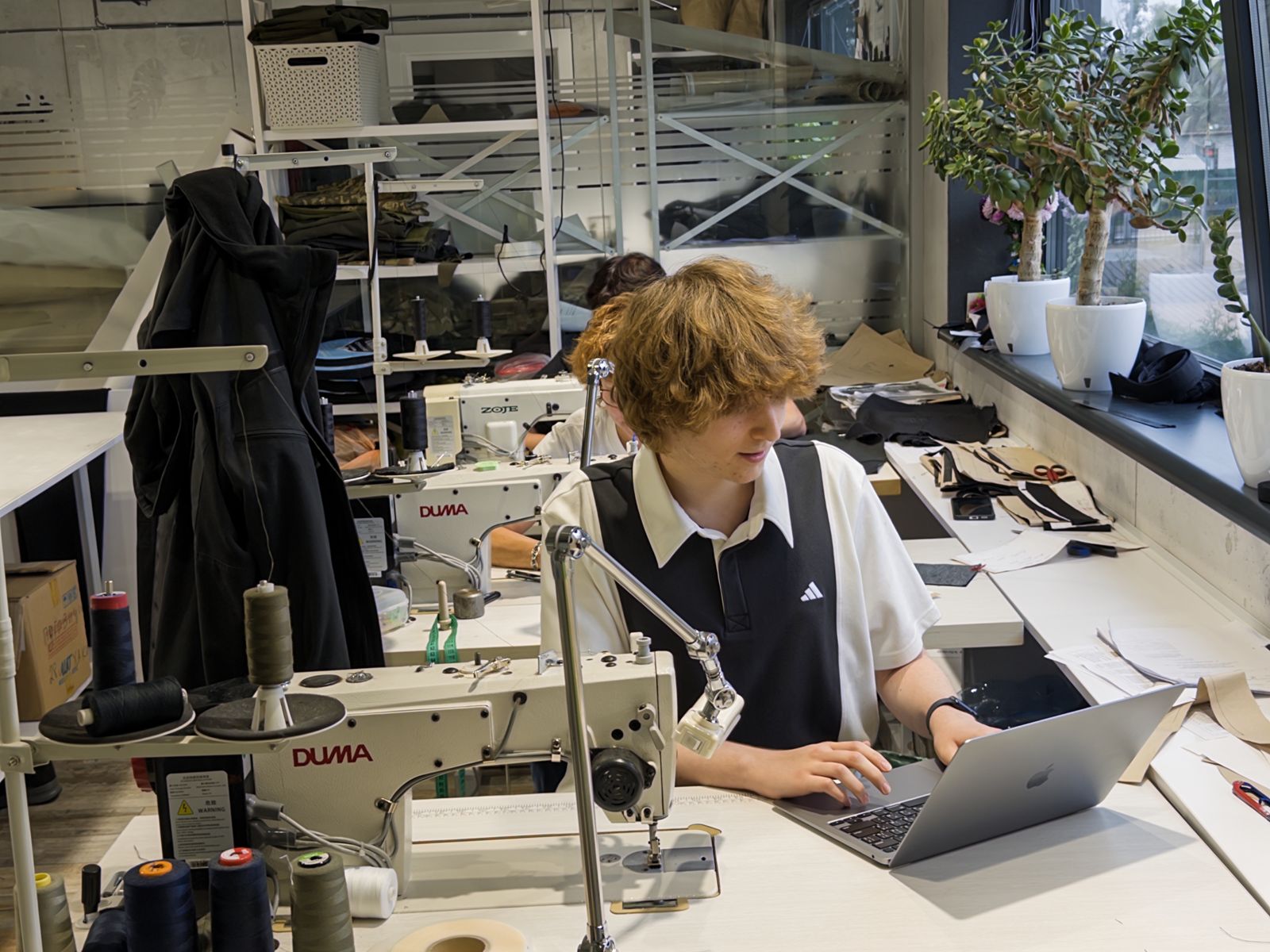
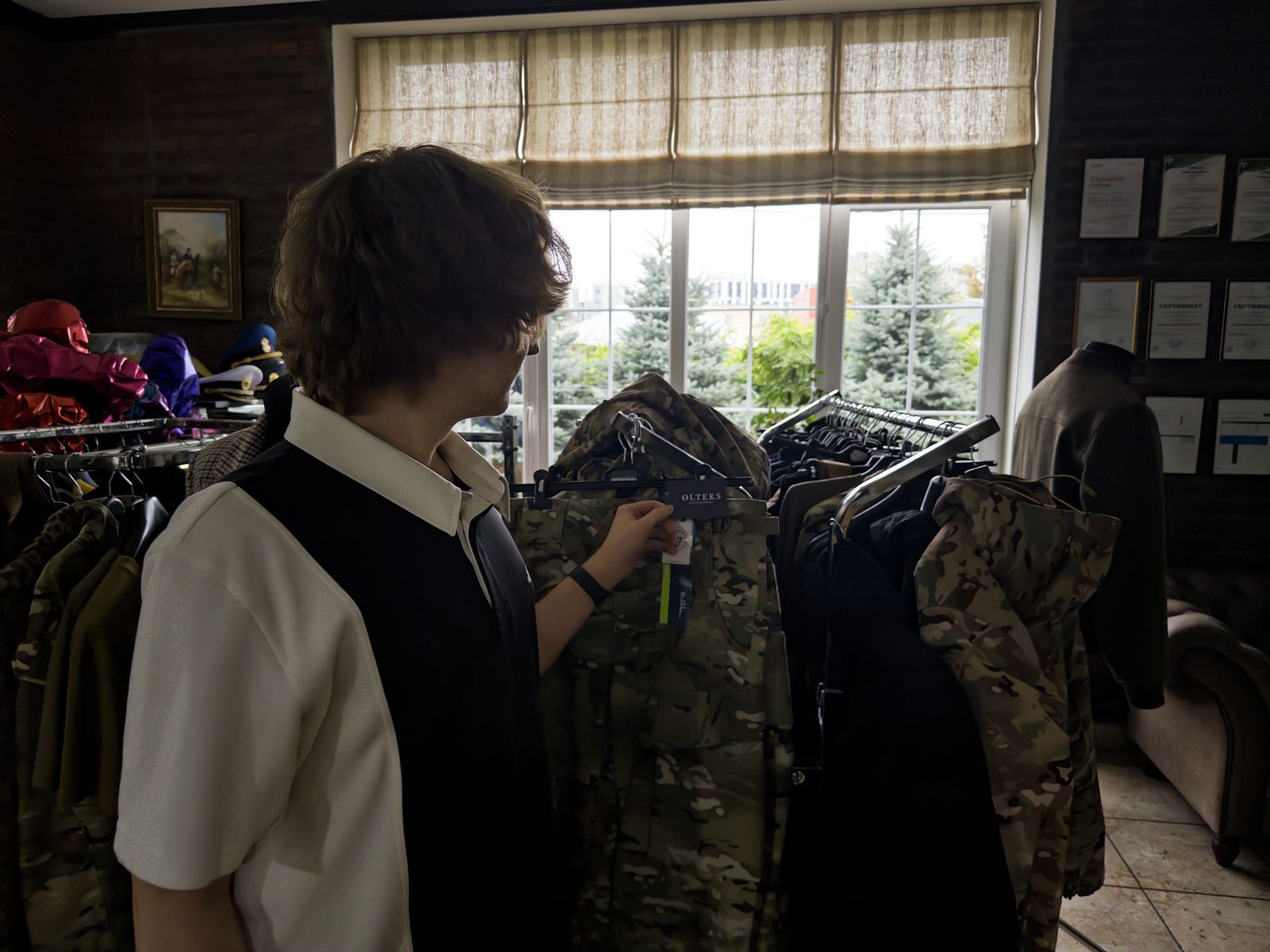
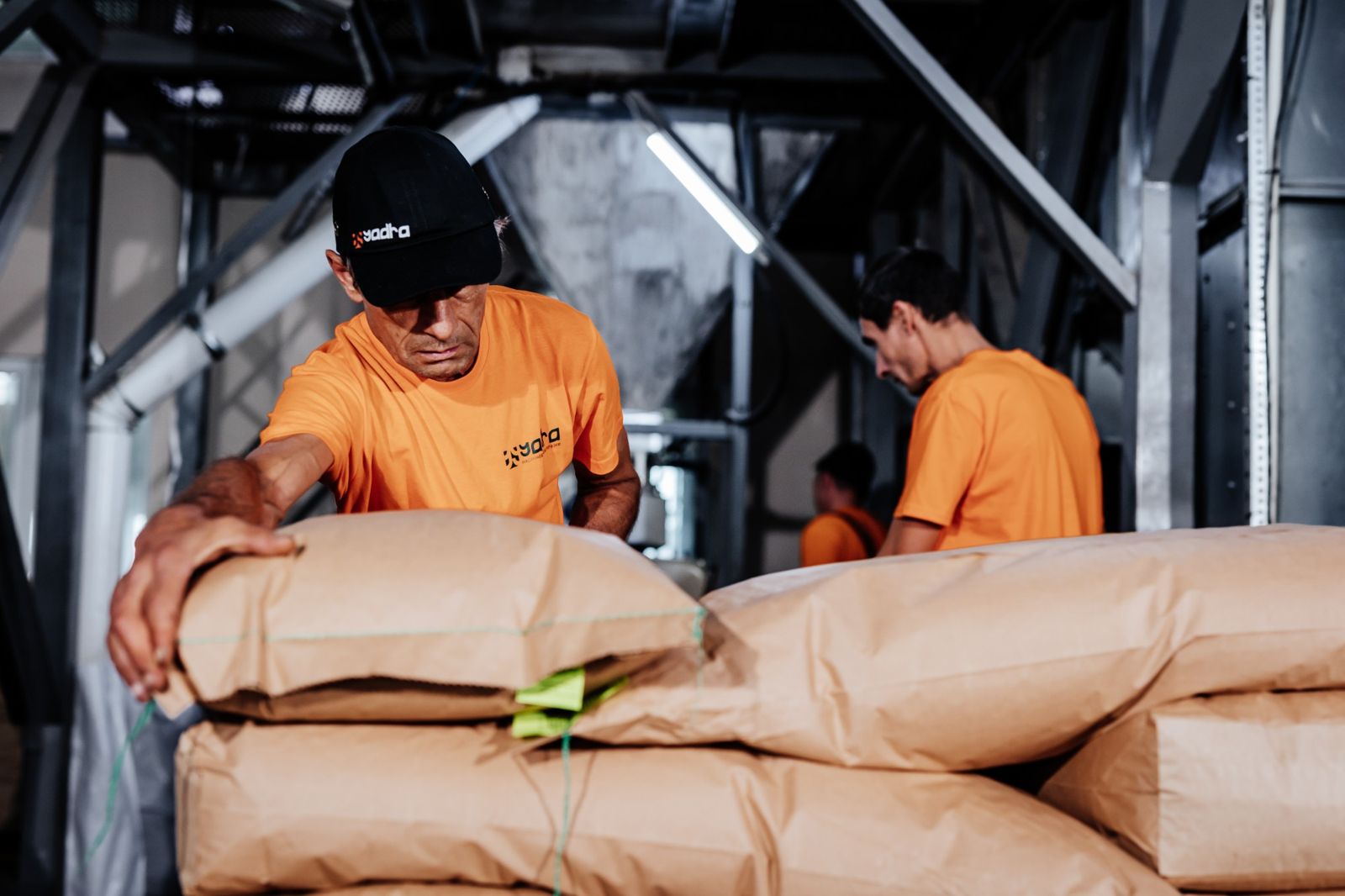
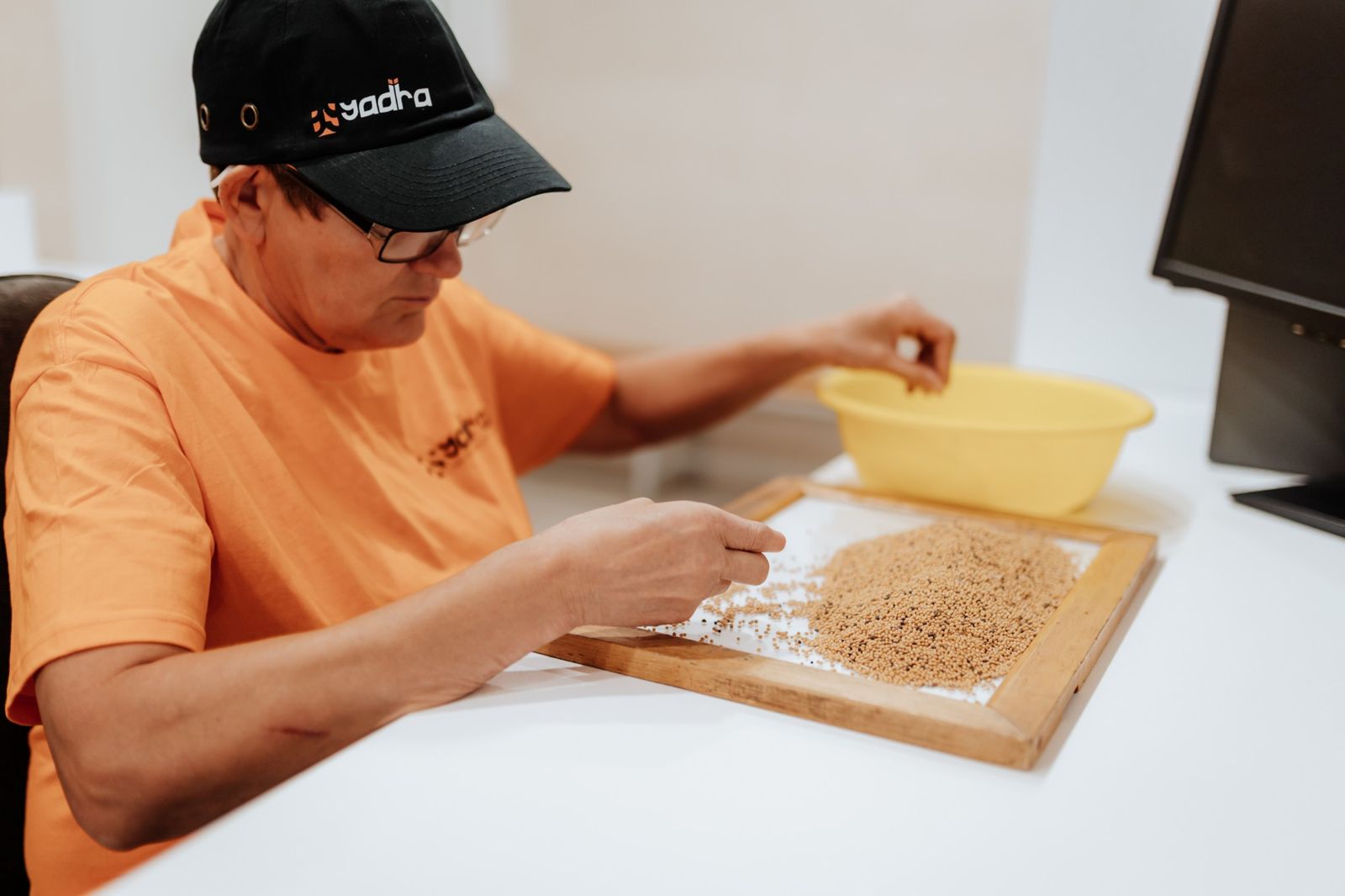
Together with Olteks and Yadra, we are working to connect soil recovery planning with the supply chains that depend on the land.


Recovery partner
Ukrainian garment manufacturer.
Recovery partner
Ukrainian processor and exporter of sunflower kernels, niche crops and bird feed.
Cloud infrastructure

 Microsoft Azure